
Dreaming of the jagged peaks of the Karakoram? Of standing at Concordia, surrounded by 8,000-meter giants, or traversing the vast expanse of the Baltoro Glacier? These are not just dreams; they are achievable realities. But unlike a casual hike in a national park, an expedition into the heart of the Karakoram requires meticulous planning, especially when it comes to Karakoram trekking permits and the intricate logistics of travel in Pakistan’s high-altitude regions.
At Moving Mountains, we understand that the allure of the Karakoram often comes with questions about the practicalities. As local guides from the Hunza Valley, we navigate this terrain — both geographical and bureaucratic — daily. This 2026 guide is designed to demystify the process, ensuring your focus remains on the adventure, not the paperwork.
Understanding Pakistan’s Mountain Zones: Open vs. Restricted
Pakistan’s mountainous regions, particularly the Karakoram, are divided into various zones, each with specific regulations for foreign trekkers and climbers. Understanding these is the first step in planning your expedition.
•Open Zones: These areas generally require fewer permits and are more accessible. They often include popular trekking routes at lower altitudes or within designated national parks where basic entry fees apply. However, even in open zones, it’s highly recommended to travel with a local guide for safety and cultural understanding.
•Restricted Zones: This is where the majority of high-altitude trekking and climbing in the Karakoram takes place, including iconic destinations like K2 Base Camp, Concordia, and the Baltoro Glacier. These zones are often close to international borders or are considered environmentally sensitive. Entry into restricted zones requires a No Objection Certificate (NOC) and is mandatory for all foreign nationals.
Why Restricted Zones?
The regulations for restricted zones are in place for several reasons:
1. Security: To monitor and ensure the safety of foreign visitors in sensitive border areas.
2. Environmental Protection: To manage the impact of tourism on fragile mountain ecosystems.
3. Local Economy: To ensure that local communities and licensed operators benefit from tourism.
The All-Important No Objection Certificate (NOC)
The NOC is the cornerstone of trekking in Pakistan’s restricted Karakoram zones. It is a document issued by the Ministry of Interior or relevant local authorities, granting permission for foreign nationals to enter and trek in specific areas. Without a valid NOC, you will not be allowed to proceed past designated checkpoints.
How to Obtain an NOC (The Moving Mountains Advantage)
For individual trekkers, obtaining an NOC can be a complex and time-consuming process, often requiring sponsorship from a registered Pakistani tour operator. This is where Moving Mountains steps in. As a licensed and experienced local operator, we handle the entire NOC application process for all our clients. This includes:
•Liaison with Authorities: We manage all communication and submissions with the Ministry of Interior and other relevant government departments.
•Required Documentation: We guide you through compiling necessary documents (passport copies, visa details, travel insurance, etc.).
•Expedited Processing: Our established relationships and expertise help streamline the application, though processing times can still vary.
Key takeaway: Attempting to trek in restricted zones without a pre-arranged NOC through a reputable operator is not advisable and will likely result in being turned back.
Mandatory Local Guides and Porters
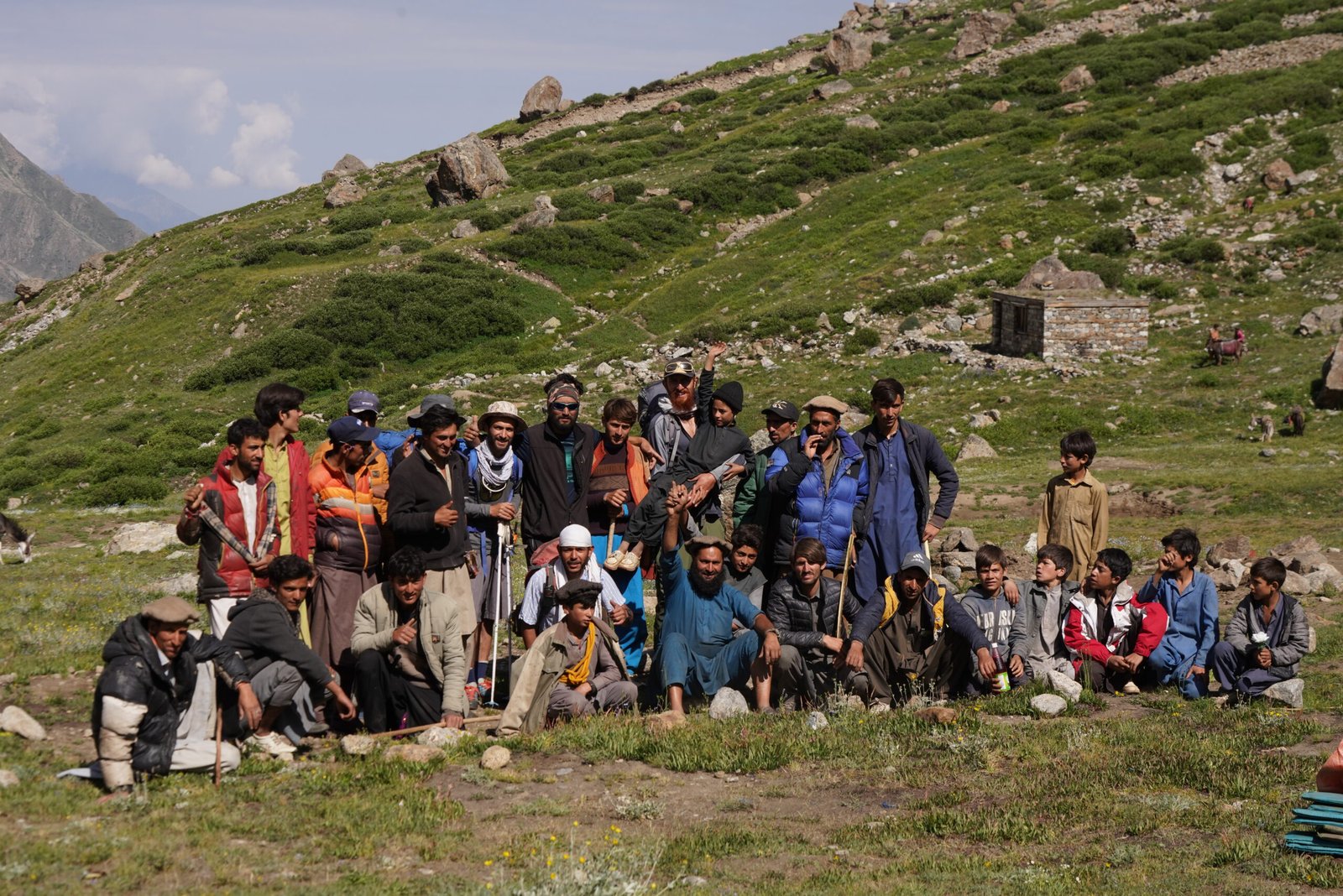
For all treks in restricted zones, it is a legal requirement for foreign trekkers to be accompanied by a licensed local guide and to utilize local porters. This isn’t just a regulation; it’s a fundamental aspect of responsible and safe trekking in the Karakoram.
•Expert Navigation: Our local guides possess unparalleled knowledge of the terrain, weather patterns, and safe routes, especially on dynamic glacial systems like the Baltoro.
•Cultural Bridge: Guides and porters facilitate cultural exchange, helping you understand local customs and traditions, and enriching your overall experience.
•Safety and Support: In case of emergencies, local teams are invaluable for communication, first aid, and organizing assistance.
•Economic Impact: Employing local staff directly supports the mountain communities whose livelihoods are often tied to trekking and mountaineering.
Essential Logistics: Getting to the Karakoram
Once your permits are in order, the next challenge is getting to the trailhead. The primary gateways to the Karakoram are the cities of Skardu (for Baltistan, including K2 Base Camp) and Gilgit (for the Hunza Valley and western Karakoram).
Air Travel to Skardu and Gilgit
•Flights from Islamabad: The quickest way to reach Skardu or Gilgit is by domestic flight from Islamabad. These flights offer breathtaking views of the Himalayas and Karakoram, often flying past Nanga Parbat. However, they are highly weather-dependent and can be delayed or canceled, especially during the summer monsoon season (July-August) at lower altitudes.
•Flexibility is Key: Always build buffer days into your itinerary to account for potential flight delays. If flights are canceled, the overland journey is the only alternative.
The Karakoram Highway: An Overland Adventure
Known as the “Eighth Wonder of the World,” the Karakoram Highway (KKH) is an engineering marvel that carves its way through some of the most dramatic mountain scenery on Earth. While longer (1-2 days from Islamabad to Skardu/Gilgit), traveling the KKH offers an incredible cultural and scenic experience, passing through remote villages and alongside towering peaks.
•Jeep Journeys: From Skardu, the final leg to trailheads like Askole (for K2 Base Camp) involves a rugged jeep journey on unpaved mountain roads. This is an adventure in itself!
Other Key Logistical Considerations
•Visa Requirements: Ensure you have a valid Pakistani visa before traveling. Visa policies can change, so check with your local embassy or consulate well in advance.
•Travel Insurance: Comprehensive travel insurance that covers high-altitude trekking, medical emergencies, and evacuation is absolutely non-negotiable. Ensure your policy specifically covers the maximum altitude you plan to reach.
•Currency: The local currency is the Pakistani Rupee (PKR). ATMs are available in major cities like Islamabad, Skardu, and Gilgit, but it’s wise to carry sufficient cash for remote areas.
•Communication: Mobile network coverage is limited in the high Karakoram. Satellite phones are essential for emergency communication on expeditions.
Why Choose Moving Mountains for Your Karakoram Expedition?
Navigating the permits, understanding the regulations, and managing the complex logistics of a Karakoram trek can be daunting. By choosing Moving Mountains, you gain a partner with unparalleled local expertise and a proven track record.
We handle all the intricate details, from securing your NOCs and permits to arranging reliable transport and providing experienced local guides and porters. Our goal is to ensure your journey is seamless, safe, and focused entirely on the awe-inspiring beauty of the Karakoram.
Ready to conquer the Karakoram? Explore our upcoming expeditions and let us handle the logistics!