
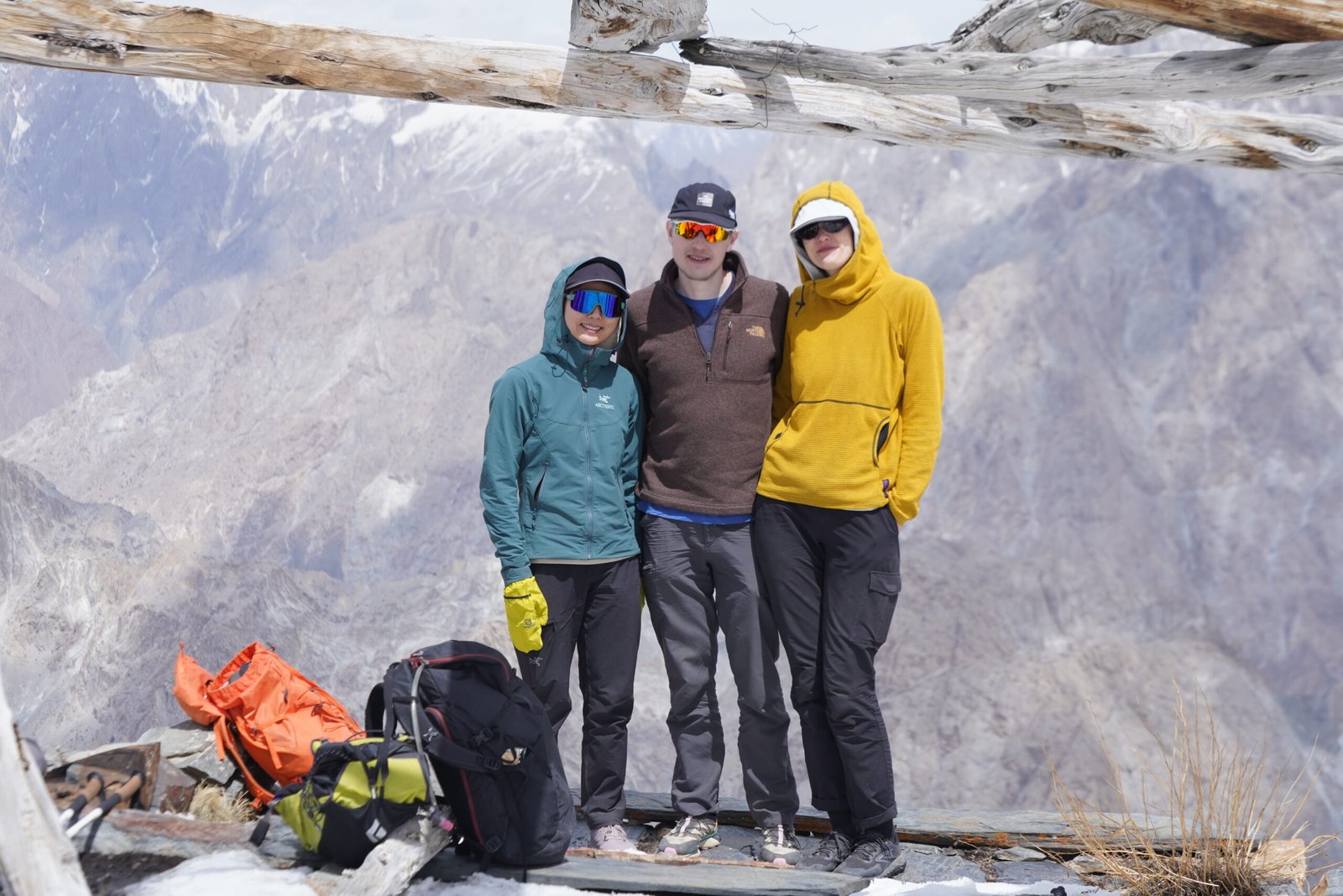
If you are a mountain lover, Gilgit-Baltistan (GB) is the ultimate pilgrimage. Tucked into the far north of Pakistan, this is the only place on Earth where three of the world’s greatest mountain ranges — the Karakoram, the Himalayas, and the Hindu Kush — collide.
At Moving Mountains, we don’t just guide here; we belong here. Our local team has spent lifetimes navigating these high-altitude corridors. But for a first-time visitor, the sheer scale of Gilgit-Baltistan can be overwhelming. Where do you start when you have five 8,000-meter peaks and over 100 peaks above 7,000 meters to choose from?
This is your definitive guide to the distinct trekking regions of Gilgit-Baltistan, designed to help you find the wilderness that speaks to you.
1. Baltistan: The Land of the Giants
Centered around the gateway city of Skardu, Baltistan is the crown jewel of the Karakoram. This is the region most people think of when they dream of trekking in Pakistan. It is home to the mighty Baltoro Glacier and four of Pakistan’s five 8,000m peaks: K2, Broad Peak, Gasherbrum I, and Gasherbrum II.
•The Vibe: Raw, industrial-scale wilderness. It’s a landscape of granite cathedrals and massive ice highways.
•Iconic Trek: The K2 Base Camp & Gondogoro La trek is the undisputed heavyweight champion of this region.
•Best For: Serious adventurers looking for the world’s most famous mountain views and the challenge of high-altitude glacial travel.
2. Hunza & Nagar: The Shangri-La of the North
Heading north from Gilgit, the Hunza and Nagar valleys offer a completely different experience. Here, the mountains are just as dramatic, but they are framed by lush orchards, ancient forts, and the incredible hospitality of the Burusho and Wakhi people.
•The Vibe: A perfect blend of high-altitude adventure and deep mountain culture. The peaks here, like Rakaposhi and the Batura Wall, rise directly from the valley floor in a staggering display of vertical relief.
•Iconic Trek: The Snow Lake (Biafo-Hispar) trek is a legendary traverse that connects Baltistan to the Hunza Valley across a vast high-altitude snow basin.
•Best For: Those who want to combine world-class trekking with a deep dive into the unique cultures and history of the Silk Road.
3. Astore: Gateway to the Himalayas
While much of GB is dominated by the Karakoram, the Astore Valley provides access to the western anchor of the Himalayas: Nanga Parbat (8,126m). This is the “Killer Mountain,” and its scale is almost impossible to comprehend until you are standing at its base.
•The Vibe: Greener and more “Himalayan” than the stark Karakoram. You’ll find alpine meadows, thick pine forests, and the massive Rupal Face—the highest mountain face in the world.
•Iconic Trek: The Nanga Parbat Base Camp trek (Rupal Side) offers a front-row seat to one of the most intimidating walls of rock and ice on the planet.
•Best For: Trekkers who love the contrast of green meadows against massive, snowy peaks.
4. Ghizer: The Land of Lakes
If you want to escape the “trekking highways” of the Baltoro, head west to Ghizer. This is the region where the Karakoram meets the Hindu Kush. It is a land of turquoise alpine lakes, gentle rivers, and wide, rolling valleys.
•The Vibe: Peaceful, remote, and incredibly scenic. It feels less like a vertical assault and more like a classic alpine wilderness.
•Iconic Trek: The trek to Karambar Lake — one of the highest biologically active lakes in the world—is a journey into a silent, untouched landscape. Just be aware that permits can be hard to come by, but as of 2025, possible.
•Best For: Experienced trekkers looking for solitude and those who prefer the “Blue Ocean” of uncrowded trails.
5. Diamer: The Rugged Indus Corridor
Diamer is the gateway to Gilgit-Baltistan for those traveling up the Karakoram Highway. It is a rugged, sun-scorched region dominated by the Indus River and the northern approaches to Nanga Parbat.
•The Vibe: Harsh, dramatic, and deeply traditional. This is the home of the famous Fairy Meadows, which offers the most accessible view of an 8,000m peak in the world.
•Iconic Trek: The trek to Nanga Parbat Base Camp (Rakhiot Face) from Fairy Meadows is a classic “soft adventure” that delivers world-class views with relatively low effort.
•Best For: Photographers and those looking for a shorter, high-impact introduction to the big mountains.
Which Region is Right for You?
| Region | Primary Range | Best Known For | Difficulty |
| Baltistan | Karakoram | K2 & 8,000m Peaks | Challenging |
| Hunza/Nagar | Karakoram | Culture & Vertical Relief | Moderate to High |
| Astore | Himalayas | Nanga Parbat (Rupal Face) | Moderate |
| Ghizer | Hindu Kush/Karakoram | Alpine Lakes & Solitude | Moderate |
| Diamer | Himalayas | Fairy Meadows & Accessibility | Easy to Moderate |
Plan Your Gilgit-Baltistan Adventure
Whether you want to stand at the foot of K2 or find solitude by a hidden lake in Ghizer, Gilgit-Baltistan is a region that demands respect and rewards it with the experience of a lifetime.
At Moving Mountains, we specialize in safety-first expeditions that honor the local communities and the fragile environment of these high mountains.