
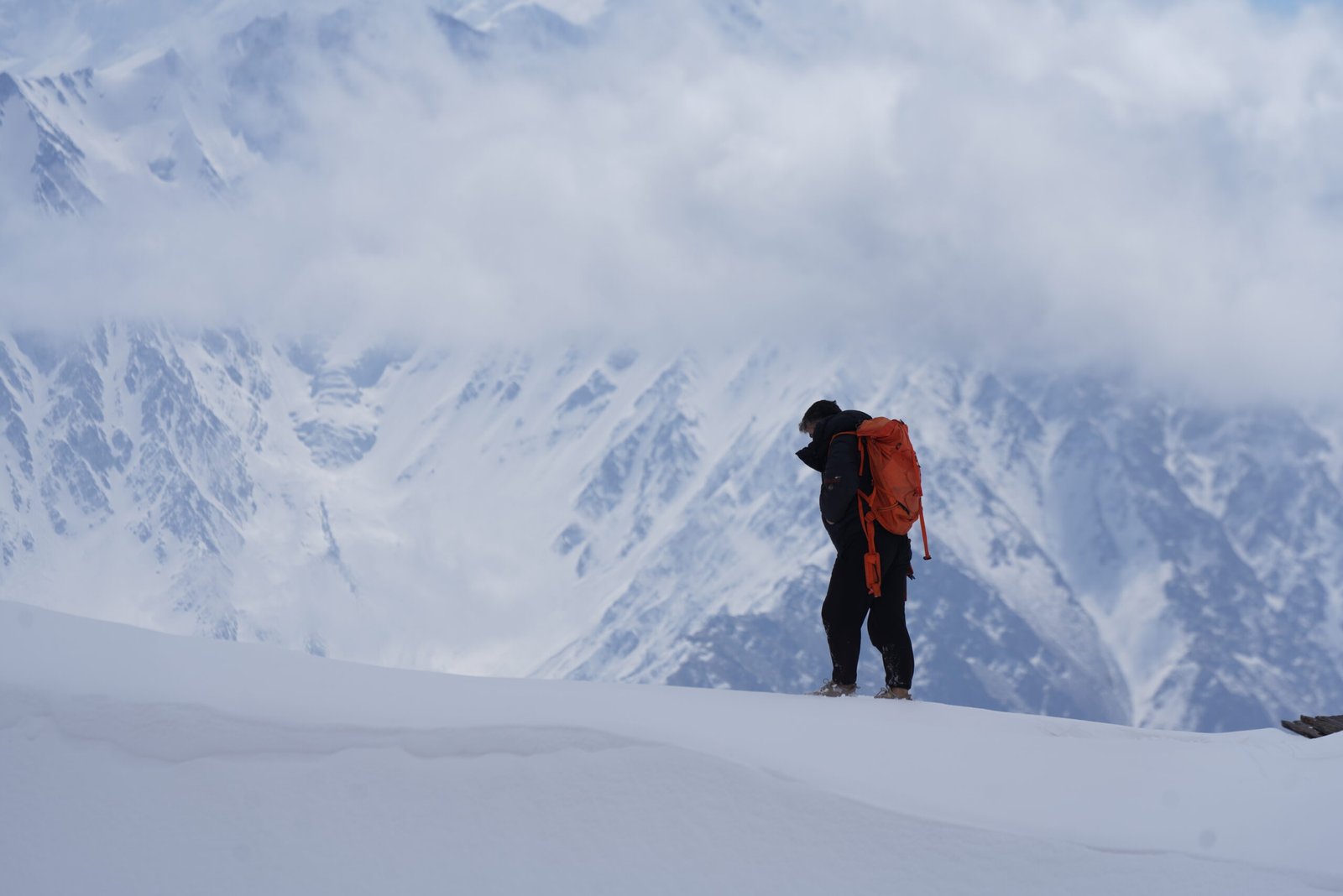
For many, the dream of trekking to K2 Base Camp is a distant whisper, a far-off ambition. But for those who commit, the question quickly becomes: When is the best time to go? Unlike the Himalayas, which are often defined by pre and post-monsoon seasons, the Karakoram operates on its own unique climatic rhythm. Understanding this rhythm is crucial for planning a successful, enjoyable, and safe expedition to the foot of the Savage Mountain.
At Moving Mountains, we live and breathe the Karakoram. Our local guides have witnessed every season, every mood of these majestic peaks. This guide is your insider’s look at the best time to undertake the K2 Base Camp trek, offering a month-by-month breakdown of what to expect, from weather patterns to trail conditions and crowd levels.
The Karakoram Trekking Window: June to September
The prime trekking season in the Karakoram is relatively short, spanning from June to September. This window offers the most stable weather, generally clear skies, and snow-free high passes. However, each month within this window has its own distinct characteristics, offering different advantages and considerations for trekkers.
June: The Shoulder Season – Fewer Crowds, More Snow
What to Expect: June marks the beginning of the trekking season. The weather is generally stable, but you can expect colder temperatures, especially at higher altitudes and during the evenings. There will likely be more snow on the higher sections of the trail and on the Baltoro Glacier, particularly in early June. This means potentially more challenging glacier travel and colder camping conditions.
Pros:
•Fewer Crowds: June is typically less crowded than July and August, offering a more solitary wilderness experience.
•Pristine Landscapes: The fresh snow can make the mountains look even more dramatic and pristine.
•Good for Acclimatization: The slightly slower pace due to snow can aid in gradual acclimatization.
Cons:
•Colder Temperatures: Be prepared for significant cold, especially at night.
•More Snow: Higher chances of snow on the trail and passes, potentially requiring more technical gear or slowing progress.
•River Crossings: Early season river crossings can be higher and more challenging due to snowmelt.
Who it’s for: Trekkers seeking solitude, comfortable with colder conditions, and experienced in high-altitude trekking.
July: Peak Season – Best Weather, More Trekkers
What to Expect: July is widely considered the peak month for the K2 Base Camp trek. The weather is generally at its most stable and warmest, with clear skies being common. Snow levels on the glacier and passes are at their lowest, making for easier travel. However, this also means it’s the busiest time on the trail.
Pros:
•Optimal Weather: Warmest temperatures and highest likelihood of clear views of the peaks.
•Minimal Snow: Easier glacier travel and generally snow-free passes.
•Longer Days: More daylight hours for trekking and enjoying the scenery.
Cons:
•More Crowds: Expect more trekkers and climbing expeditions on the trail and at base camps.
•Higher Prices: Flights and services can be more expensive due to demand.
Who it’s for: Trekkers prioritizing the best weather and trail conditions, and who don’t mind sharing the trail with more people.
August: Late Season – Still Great, Monsoon Influence at Lower Altitudes
What to Expect: August continues to offer excellent trekking conditions in the high Karakoram. Temperatures remain pleasant, and the passes are typically clear. However, towards late August, there can be a slight increase in monsoon influence at lower altitudes (around Islamabad and the approach to Skardu), which can lead to flight delays. The high mountains themselves remain relatively dry.
Pros:
•Good Weather: Still very stable and warm in the high mountains.
•Fewer Crowds (late August): As the month progresses, crowds begin to thin out.
•Vibrant Landscapes: The lower valleys can be lush and green after any monsoon rains.
Cons:
•Potential Flight Delays: Increased chance of domestic flight delays to Skardu/Gilgit due to monsoon activity at lower elevations.
•Glacial Changes: The glacier can be more broken up and challenging to navigate after a full season of traffic.
Who it’s for: Trekkers looking for good weather with slightly fewer crowds than July, and who have some flexibility in their travel schedule for potential flight delays.
September: The Shoulder Season – Crisp Air, Early Snow
What to Expect: Early September can still offer fantastic trekking, characterized by crisp, clear air and stunning autumnal colors in the lower valleys. However, temperatures begin to drop significantly, and the chances of early season snowfall at higher altitudes increase. The trekking season typically wraps up by mid-September.
Pros:
•Stunning Views: Often the clearest air and best visibility for photography.
•Minimal Crowds: Very few trekkers on the trail, offering a truly wild experience.
•Autumnal Colors: Beautiful fall foliage in the lower regions.
Cons:
•Colder Temperatures: Significantly colder, especially at night and on exposed sections.
•Increased Snow Risk: Higher chance of early winter storms and snow on passes, potentially closing routes.
•Shorter Days: Less daylight for trekking.
Who it’s for: Experienced, self-sufficient trekkers who prefer solitude, are well-equipped for cold weather, and understand the risks of early season snow.
The Monsoon Myth: Karakoram vs. Himalayas
It’s a common misconception that the entire Himalayan range (including the Karakoram) is affected by the same monsoon. In reality, the Karakoram Range lies in a rain shadow, largely protected from the heavy monsoon rains that drench the central and eastern Himalayas. While you might experience some rain at lower altitudes during July and August, the high mountains generally remain dry and clear.
This unique weather pattern is precisely why summer is the prime trekking season in the Karakoram, offering a stark contrast to the spring and autumn seasons preferred in Nepal and India.
Choosing Your Best Time: A Summary
| Month | Weather | Crowds | Trail Conditions | Ideal For |
| June | Colder, more snow | Low | Challenging (snow) | Solitude, experienced trekkers |
| July | Warmest, most stable | High | Best (minimal snow) | Optimal conditions, first-timers |
| August | Warm, stable (high alt) | Medium | Good | Good weather, fewer crowds (late) |
| September | Colder, crisp air | Low | Challenging (early snow) | Solitude, photography, experienced |
Ultimately, the “best” time depends on your priorities. If clear skies and warmer temperatures are paramount, July is your month. If you crave solitude and don’t mind colder conditions or a bit more snow, June or early September could be ideal. Regardless of when you choose, the Karakoram promises an unforgettable adventure.
Ready to Plan Your K2 Base Camp Expedition?
Understanding the best time to trek is just one piece of the puzzle. At Moving Mountains, we specialize in crafting seamless and safe expeditions to K2 Base Camp and other iconic destinations in the Karakoram. Our local expertise ensures you’re not only prepared for the mountains but also for the unique logistical and cultural aspects of trekking in Pakistan.
Explore our upcoming K2 Base Camp trek departures and find the perfect time for your adventure!