
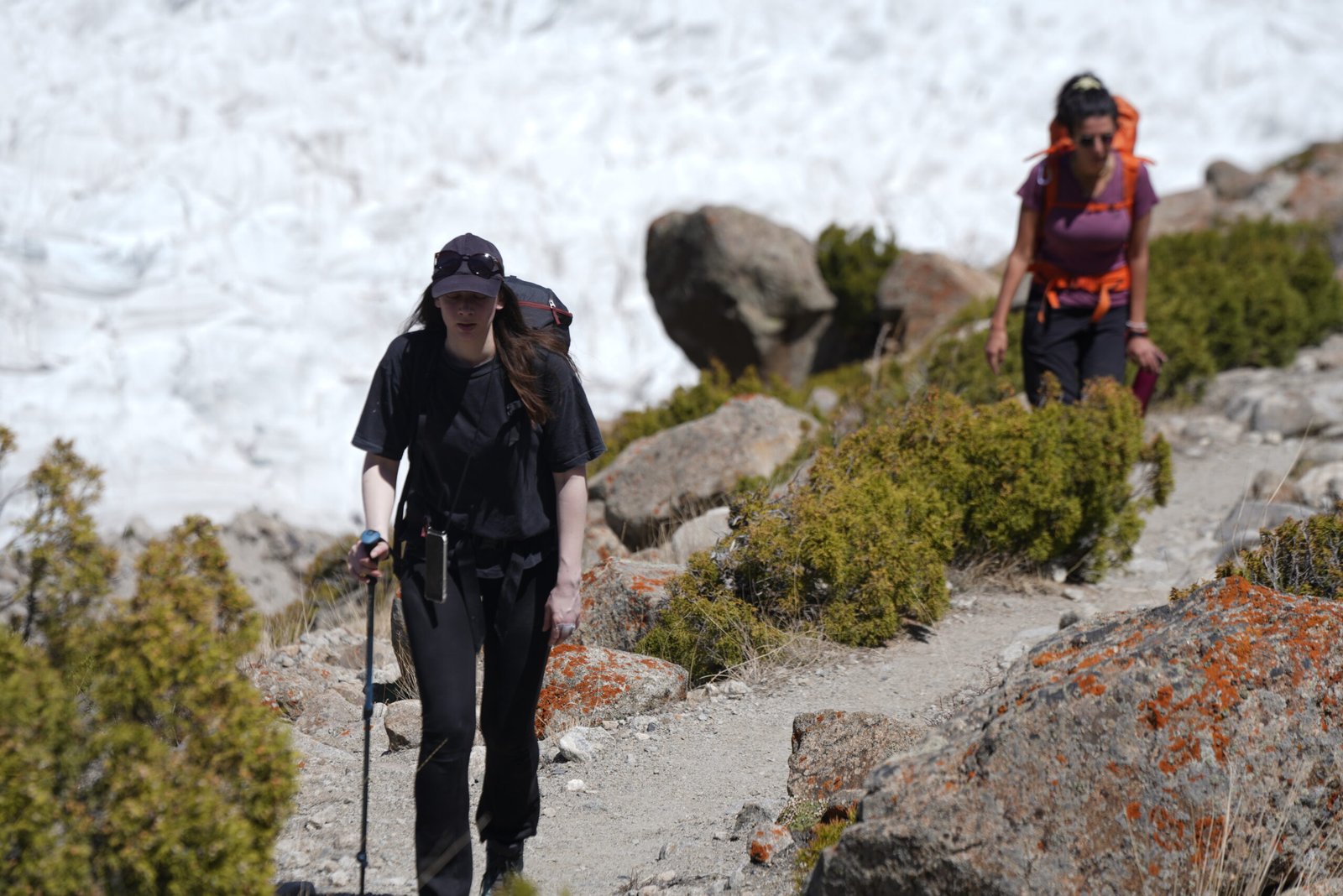
For many women, the idea of trekking in the remote, majestic Karakoram Mountains of Pakistan is a dream—often accompanied by a unique set of questions and concerns. Is it safe? How do I manage hygiene in the wilderness? What are the cultural expectations? At Moving Mountains, led by a team of locals and foreign woman who have navigated these very trails, we understand these questions aren’t just practical; they’re essential for an empowering and unforgettable journey.
This guide is for every woman who feels the call of the Karakoram. It’s a candid, expert perspective on how to embrace the adventure with confidence, respect, and a deep understanding of the unique environment and culture of Northern Pakistan.
1. Safety & Solo Travel: Dispelling Myths, Embracing Reality
One of the most common questions is about safety, especially for women. The truth is, Northern Pakistan, particularly the Gilgit-Baltistan region where the Karakoram lies, is generally welcoming and safe for tourists. However, it’s crucial to understand the nuances:
•Perception vs. Reality: Media portrayals often don’t reflect the reality on the ground. The people of Gilgit-Baltistan are renowned for their hospitality and respect for guests 1. While solo female travel is less common, it is absolutely possible with proper planning and cultural awareness.
•Guided Expeditions are Key: For treks like the K2 Base Camp or Spantik, traveling with a reputable local operator like Moving Mountains is not just recommended, it’s often a legal requirement for certain restricted areas. Our teams include experienced local guides and porters who ensure your safety and navigate any cultural or logistical challenges seamlessly.
•Respectful Interactions: While you may receive curious stares (especially in more remote areas), these are usually born of curiosity, not malice. A warm smile and respectful demeanor go a long way. Our guides are adept at facilitating positive interactions and ensuring your comfort.
2. Hygiene & Health: Practical Tips for the High-Altitude Wilderness
Managing personal hygiene in remote, high-altitude environments is a top concern for many women. Here’s how to stay fresh, healthy, and comfortable on the trail:
•Menstrual Management: This is perhaps the biggest concern. Options include menstrual cups (eco-friendly, low waste), tampons/pads (must be packed out completely), or period underwear. Discussing this with the team ahead of departure can provide practical, on-the-ground advice. Always carry sealable bags for waste 3.
•”Wilderness Shower” Kits: Pack biodegradable soap, a small quick-dry towel, and plenty of wet wipes (again, pack out all used wipes). Hand sanitizer is your best friend. In base camps, hot water for washing may be available, but embrace the “baby wipe bath” on the trail.
•Urination Devices: A female urination device (FUD) can be a game-changer for convenience and privacy, especially in cold or exposed conditions. Practice using it before your trip.
•UTI Prevention: Women are more prone to UTIs. Stay well-hydrated, maintain good hygiene, and consider bringing cranberry supplements or a prescription for antibiotics as a preventative measure 4.
•Sun Protection & Skincare: The sun at altitude is intense. A wide-brimmed hat, high-SPF sunscreen, and lip balm with SPF are crucial. Consider a good moisturizer for dry mountain air.
3. Cultural Nuances: Traveling with Respect and Confidence
Northern Pakistan is a culturally rich region, and understanding local customs will enhance your experience and ensure respectful interactions:
•Dress Modestly: This is the most important cultural consideration. Loose-fitting clothing that covers your shoulders, chest, and knees is highly recommended. While a headscarf isn’t mandatory for foreign women or even common at all, carrying one for visits to mosques or more conservative villages is a sign of respect 5. Shalwar Kameez (traditional Pakistani dress) is comfortable and culturally appropriate when in cities.
•Greetings: A simple “Assalam-o-Alaikum” (peace be upon you) is always appreciated. Avoid initiating handshakes with men unless they extend their hand first. A nod and a smile are perfectly acceptable 6.
•Photography: Always ask for permission before taking photos of people, especially women and children. Be mindful of privacy and respect their wishes if they decline.
•Public Demeanor: Public displays of affection are not culturally appropriate. Maintain a respectful distance and demeanor, especially when interacting with local men.
•Alcohol: Alcohol is generally prohibited in Pakistan. While some hotels in larger cities may serve it, it is not available in the trekking regions. Respect local laws and customs.
4. Gear for Women: Comfort and Performance on the Trail
While most gear is unisex, paying attention to female-specific designs can significantly improve your comfort and performance:
•Backpacks: Look for packs designed for a woman’s torso length and hip-belt shape. A well-fitting pack prevents chafing and distributes weight more effectively.
•Sleeping Bags: Women-specific sleeping bags often have extra insulation in the foot box and torso, where women tend to get colder.
•Layering System: A good layering system is crucial. Ensure your base layers, mid-layers, and outer shells fit well and allow for freedom of movement without being bulky.
•Footwear: Invest in high-quality, broken-in trekking boots that fit your feet perfectly. Blisters can ruin a trek.
Your Karakoram Adventure Awaits
Trekking in the Karakoram as a woman is an incredibly rewarding experience. By being prepared, culturally aware, and choosing a supportive outfitter like Moving Mountains, you can navigate any challenges with confidence and fully immerse yourself in the breathtaking beauty and profound hospitality of Northern Pakistan.
Ready to embark on your empowering Karakoram journey? Explore our K2 Base Camp & Gondogoro La trek or our Ultimate Karakoram Trekking Guide and let us help you plan an unforgettable adventure.